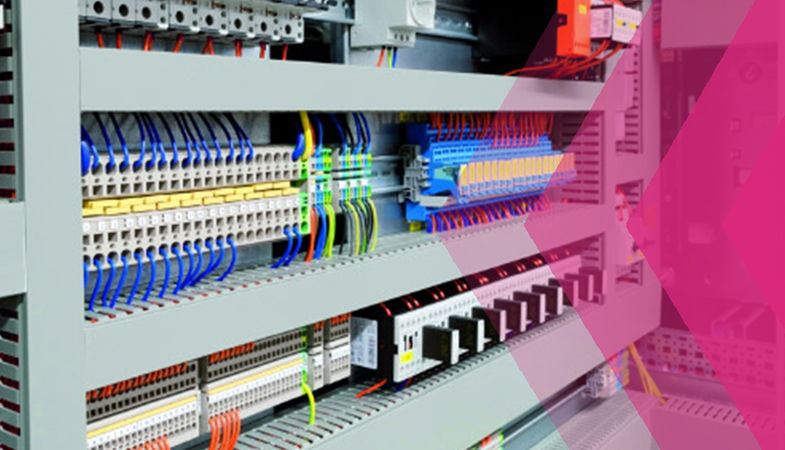
The fortunes of the heavy electrical industry have been closely linked to the development of the power sector in India. The heavy electrical industry has under its purview power generation, transmission, distribution and utilization equipments. These include turbo generators, boilers, turbines, transformers, switchgears and other allied items. These electrical equipment’s (transformers, switchgears, etc.) are used by almost all the sectors. Some of the major areas where these are used include power generation projects, petrochemical, refineries, chemical plants, integrated steel plants, non-ferrous metal units, etc.
The design, engineering and construction of industrial plants involves a multi-disciplinary team effort. The goal is to design safe and dependable processing facilities in a cost effective manner. The fact is that there are very few formal training programs that focus on design and engineering of Electrical systems of such big plants. Therefore, most of the required skills are acquired while on the job, reducing productivity and efficiency.
The objective of this course is to provide the delegates the basic knowledge and skills in this discipline to facilitate faster learning curves while on the job.
At TechIn IT, we proudly assure that every Trainee who successfully completes our program will be awarded a certificate. We are officially associated with APSCHE, AICTE, MSME, Skill India, IAF, and NASSCOM. The certification will reflect the Trainees dedication and skill development, recognized under national-level standards.

Session 1: Fundamentals of Electrical Design Engineering Basics of Electrical Engineering Fundamentals of Power Generation, Transmission, distribution & utilization. Introduction of key electrical equipments used in projects. Overview of Codes & Standards IEC/ANSI/IEEE. CoordinationwithotherEngineers In Industry EstimationofPlantElectricalLoad PreparationofLoadSchedule
Session 2: Fundamentals of AutoCAD Electrical- Autodesk Introduction to AutoCAD and Working with the Windows Environment Creating Your First Drawing- Using AutoCAD Drafting Tools Viewing and Plotting a Drawing Creating Basic Geometry- Drawing Rectangles, Circles, Arcs Annotating a Drawing with Text and Hatching Dividing and Measuring an Object , Drawing Rings and Ellipses
Session 3: DevelopmentofSingleLineDiagrams(SLD) Importance of SLDs in Industries Typeof SLDandtheir studywithLegendSheet. Types of Symbols, Format, IS, ANSI, IEC standards Designing of SLD for substation, power plants
Session 4: Designing of SLDS using AutoCAD Designing of layouts for substation, power plants
Session 5: Control Schematics Introduction Power Circuit & Control Circuits Typical Schematics for Motor Feeder Typical Schematics for Power Feeder Typical Schematics for Transformer Feeder
Session 6: Designing of Control Schematics using AutoCAD Control Schematics- Power Circuit & Control Circuits for motors Real-time examples of SLDs in an Industry
Session 7: Selection and Sizing of Electrical Equipments Transformer Selection HV/MV/LV Capacitor Bank Cable selection Power and Control cable Introduction Cable sizing for Low voltage system Cable sizing for High voltage system Voltage Drop Consideration
Session 8: Illumination Design using DiaLux Software Introduction to Illumination Design Illumination calculation- LUX, lumens Dialux Software Creating projects- Indoor illumination & Street lighting Lighting catalogues of GE, NIKKON.
Session 9: Earthing Protection Design Requirement of Earthing in Industrial Plants Earthing Design Calculations Type of Earthing and Details Earthing Installation Details Earthing Layout Design
Session 10: Hands on session on Etap Software Introduction to Etap Software Creating new projects- OLV, Adding elements, parameters. Load Flow analysis, short circuit studies.